About

Who we are

The Rice Biodiversity Center for Africa (RBCA) is one of the 11 international CGIAR genebanks, which operates within the framework of the International Treaty on Plant Genetic Resources for Food and Agriculture (ITPGRFA).

  • AfricaRice is unique in representing an association of 28 African countries, on whose behalf it conserves its collection of rice genetic resources in trust for humanity and makes it available to all.
  • AfricaRice carries out this mission in partnership with national programs and international organizations.

It holds the largest collection of African rice in the world and the largest rice collection in Africa with almost 21,035 accessions in an ultra-modern infrastructure. The facility has the capacity to conserve under optimal conditions, up to 60,000 rice accessions. Eighty-five percent of its collection have originated in Africa. In addition to the two cultivated rice species, its collection includes related wild species in Africa. The rice genetic resources housed in RBCA are key to developing new varieties adapted to African agro-ecologies.

Read More

RBCA’s mandates go beyond simple conservation—we are stewards of Africa’s rich rice biodiversity and champions of sustainable agricultural practices. Our core activities include:

Our efforts extend to the collection and conservation of wild and cultivated rice species across Africa. We aim to ensure that this rich genetic diversity is preserved for future generations and utilized to its fullest potential. Our Conservation Efforts:

  • 🌾 Preserving Genetic Diversity: Maintaining live collections of traditional African rice varieties, ensuring their survival for future generations.
  • 🔬 Research & Breeding Support: Providing traits for drought tolerance, disease resistance, and improved yields to bolster climate-smart agriculture.
  • 🤝 Community Engagement: Partnering with farmers and indigenous communities to document and conserve locally adapted landraces.
  • 🌍 Global Collaboration: Contributing to international seed treaties and research networks to protect Africa’s agricultural legacy.

By conserving African rice, we protect not just a crop, but centuries of cultural heritage and a key resource for adapting to tomorrow’s challenges.

We meticulously maintain our germplasm collections, adhering to the highest standards set by the CGIAR genebank’s performance targets. This includes ensuring the availability of germplasm, distributing samples for research, maintaining safety backups, and continuously improving data quality and management systems.

Efficient genebank operations ensure the long-term preservation and accessibility of genetic resources. Our management system covers:

  • Acquisition & Documentation : Collecting, verifying, and cataloging genetic material with detailed metadata
  • Storage & Preservation : Utilizing state-of-the-art cold storage (seed banks, cryopreservation, in vitro) to maintain viability
  • Quality Control : Regular viability testing, monitoring, and regeneration to safeguard genetic integrity
  • Distribution & Access : Facilitating research and breeding by providing well-documented, high-quality samples
  • Data Management : Maintaining a secure, searchable database for tracking inventory and usage

By integrating best practices in conservation and technology, we ensure these vital resources remain available for future generations.

We harness the genetic potential of our collections through cutting-edge research. Our scientific endeavors focus on gene discovery and donor identification, bridging the gap between genetic resources and their practical applications in breeding programs.

  • Advanced Technologies: We employ state-of-the-art technologies such as genomics, bioinformatics, and high-throughput sequencing to analyze and understand the genetic makeup of our collections. These tools enable us to uncover valuable traits and enhance our conservation strategies.
  • Innovative Approaches: Our research initiatives focus on developing new methods for genetic preservation, regeneration, and characterization. By exploring novel techniques, we strive to improve the efficiency and effectiveness of our conservation efforts.

At our gene bank, we are dedicated to advancing scientific research and fostering innovation in the field of genetic conservation and utilization.

As custodians of Africa’s rice heritage, we serve as a vibrant hub for promoting rice biodiversity. We raise awareness on the importance of conserving this precious resource and its critical role in food security. Highlights of Our Work

  • 🌱 Exploring Genetic Diversity: Discover rare and resilient crop varieties, wild relatives, and endangered species preserved in our collection.
  • 📚 Educational Outreach: We engage with schools, researchers, and the public through workshops, exhibitions, and digital resources.
  • 🌍 Global Collaboration: Partnering with institutions worldwide to promote biodiversity conservation and sustainable use.
  • 🔬 Science for the Future: Supporting cutting-edge research in climate resilience, food security, and ecosystem restoration.

By sharing the stories behind these genetic treasures, we inspire action to protect our planet’s irreplaceable biodiversity. Join us in safeguarding the future of life on Earth!

We collaborate closely with national genebanks across Africa, sharing our resources, knowledge, and expertise. By nurturing these partnerships, we advance scientific research and strengthen the continent’s capacity to manage and utilize rice genetic resources.

  • Workshops and Training: We organize workshops, training programs, and seminars to disseminate the latest research findings and best practices in genetic conservation. These events aim to build the capacity of researchers, students, and practitioners worldwide.
  • Global Partnerships: We collaborate with leading research institutions, universities, and international organizations to share knowledge, resources, and expertise. These partnerships enhance our research capabilities and contribute to global efforts in biodiversity conservation.

Request for germplasm

Need genetic material for your research or projects? Fill out our form to access our germplasm collection. Please ensure you comply with the usage terms and relevant regulations.

Our Mission

RBCA

Our mission is clear: to catalyze the growth and prosperity of the rice sector in Africa. We achieve this by conserving and securing a wealth of rice genetic diversity, making these resources accessible for breeding programs across the continent. By harnessing the genetic potential of African rice, we support the development of high-performing, climate-resilient varieties that meet the region’s unique agricultural needs and consumer preferences.

Genebank Survey

Help us improve by sharing your feedback! Please take a moment to complete our user survey. Your responses are valuable and will remain confidential.

RBCA

Our Vision

We envision a future where the RBCA stands as a global leader in the collection, conservation, management, and sustainable utilization of rice genetic resources. Through our dedication to research, breeding, and education, we aim to empower Africa's agricultural sector, fostering innovations that enhance food security and bolster the resilience of farming communities.

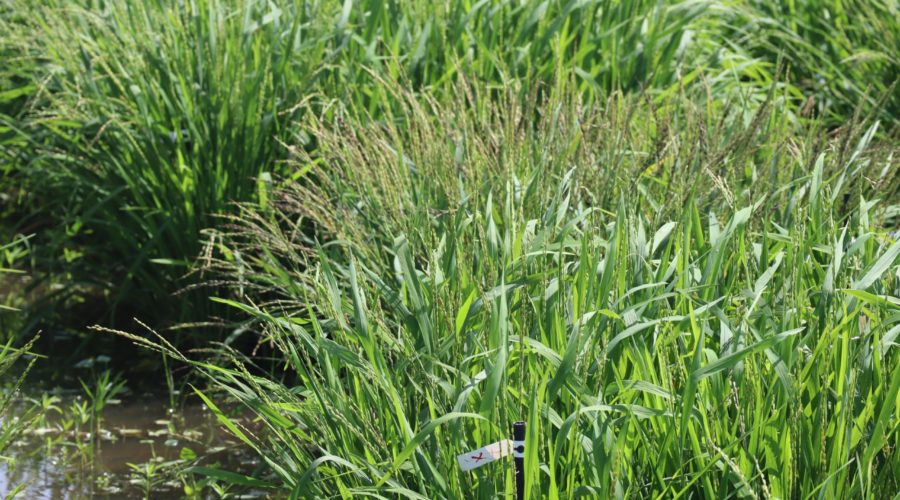
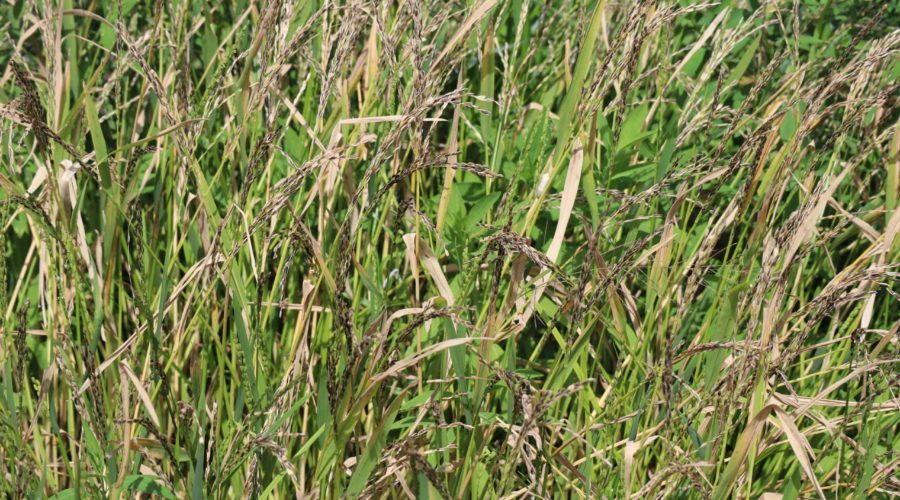
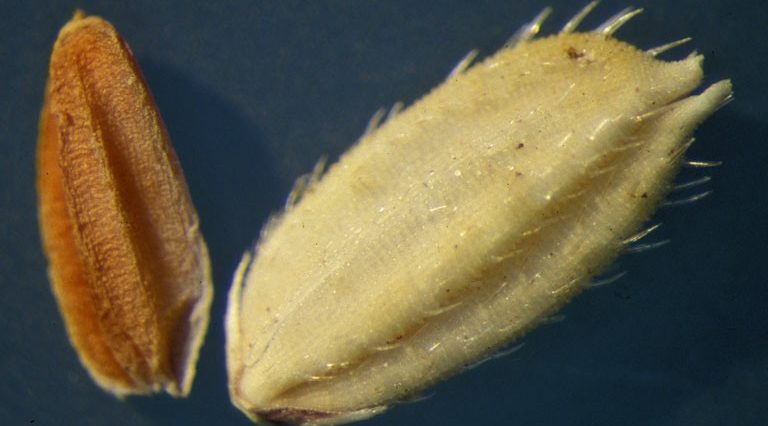
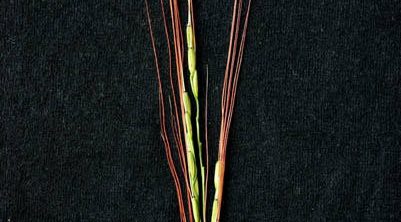
🌾 African rice (Oryza glaberrima) has been cultivated for more than 3,000 years in parts of Africa but it remains much less widely used than Asian rice (Oryza sativa). Marie-Noelle Ndjiondjop, head of the Africa Rice Center genebank, shares her passion for this resilient crop and explains how it can help farmers in a changing climate.

🌱 The genebank – known as the Rice Biodiversity Center for Africa - holds the world’s largest collection of African rice. It is one of 11 CGIAR genebanks that share samples with farmers and scientists around the world.

🌍 As governments discuss how to put biodiversity at the heart of sustainable food systems at COP16Colombia, let’s celebrate the scientists working on this and other underused crops.

(copied from CGIAR)

Services

What we do

Acquisition / Collection

Collecting new genetic samples from various sources. The collection is done through fieldwork, collaborations with other institutions, and donations from researchers

Conservation

Genetic samples are stored in controlled environments to ensure long-term preservation. This includes maintaining specific temperature and humidity levels.

Safety duplication

To safeguard against loss or damage, genetic samples are duplicated and stored at secondary locations. This ensures the genetic diversity is not lost in case of a disaster at the primary storage site

Regeneration

When genetic samples start to lose viability or quantity, they are regenerated. This can involve growing new plants from seeds to maintain healthy and viable genetic stocks

Characterization

This involves identifying and recording the genetic, morphological, and physiological characteristics of the samples.

Distribution

Genetic samples are distributed to researchers, breeders, and institutions for scientific study, breeding programs, and conservation efforts. Proper documentation and agreements ensure the samples are used responsibly.

Data management

All information related to the genetic samples, including their origins, characteristics, and storage conditions, is meticulously recorded and managed. This data is stored in secure databases that allow for easy retrieval and analysis.

Genomics for Genebanks

Studying the genetic makeup of samples to understand their diversity and resilience to environmental challenges.

Quality Controle Analysis

Regularly assessing the viability and integrity of genetic samples to ensure they remain usable and uncontaminated.

Sub-setting

Selecting representative subsets of the larger collections to simplify management and enhance research accessibility.

Request for germplasm

Need genetic material for your research or projects? Fill out our form to access our germplasm collection. Please ensure you comply with the usage terms and relevant regulations.

Our Hardworking Team

Team

Dr. Marie Noelle NDJIONDJOP

Head of the Africa Rice Center genebank

Dr. Arnaud Comlan GOUDA

Consultant on Genomics

Karlin GNIKOUA

Conservation an Cold room Manager

Sèdjro Bienvenu KPEKI

Seed Regenation, Characterization and Phenotype Manager

Dro Daniel TIA

Seed Viability and Safety Duplication Manager

Clinton Obinna OGWUIKE

Information and Database Manager